Pinpointing Genuine The Row Bags: What Buyers Should Look For
Demand in The Row’s resale space has skyrocketed in recent years, and with that surge comes a deluge of counterfeits that are tougher to detect than in the past. The Row earned its standing via subtle, unmarked luxury, which is precisely why authentication tricky — there’s no prominent logo to check, no telltale hardware stamp, no showy monogram print to match up with a fake. In 2026, resale and secondhand shoppers alike need to know the particular build cues, fabric tells, and documentation markers that distinguish a genuine piece from a well-made fake. Whether you’re eyeing a Margaux, a tote, or one of the brand’s smaller handbags, this article walks through what to inspect before you make a buy. Also included is a look at where the most trustworthy buying channels are and how pricing on the secondary market measures against retail. Get familiar with these details now, because the difference between a genuine piece and a fake often comes down to millimeters and stitch counts.
The Challenge of Verifying The Row Bags
Different from labels that lean on canvas monograms or stamped logos, The Row built its identity on understatement, and that’s precisely what makes faking it both easier to attempt and tougher to detect. There’s no overlapping logo design to study under a loupe, no distinctive pattern that a forger might misjudge. Instead, authenticity lives in the leather itself, in the way panels are shaped and assembled, and in hardware that’s often unbranded yet noticeably weighted and polished. The Row sources its leathers from https://therowbags.net/tote-bags/ particular tanneries, and the texture, scent, and pliability of that material are hard to mass-produce convincingly. A real bag’s stitching is tight, uniform, and dense — counterfeiters frequently cut corners here because the labor of hand-finishing isn’t something they’re willing to spend time on. Because detecting a fake relies on judging proportion and workmanship rather than logos, an overview of row bags for new buyers has to begin with tactile and structural cues rather than branding.
Examining the Leather and Hardware
Genuine The Row leather has a distinctive softness that doesn’t sacrifice structure — it drapes rather than slumps, and it holds its shape at the base and sides without feeling stiff or plasticky. Run your fingers along the edges of any bag you’re considering; authentic pieces have edge paint or hand-finished edges that are smooth and consistent, with no fraying, cracking, or visible glue seepage. Hardware on The Row bags, including zippers, clasps, and feet, tends to be weighty rather than lightweight, and it should move smoothly without sticking or rattling. Many pieces use unbranded hardware, so don’t expect an engraved logo on a zipper pull — but do expect a certain heft and matte or brushed finish that cheap alloy replicas can’t quite match. Check the lining as well, since The Row typically uses a suede or fine cotton-blend interior that feels substantially different from the flimsy polyester found in most counterfeits. If a bag’s interior smells strongly of chemical adhesive rather than clean leather or suede, treat that as a red flag rather than a minor quirk.
Construction Details, Proportions, and Stitching
Stitch count and spacing are among the most reliable indicators of authenticity because they’re genuinely difficult to fake convincingly at speed. On a real bag, you’ll typically find between 7 and 9 stitches per inch along major seams, with no skipped stitches, no uneven tension, and no visible thread ends poking out. Compare the two sides of a bag — the front panel should mirror the back in stitch spacing and seam placement almost exactly, since The Row’s pattern-cutting is done with tight tolerances. Look closely at where straps attach to the body of the bag; on authentic pieces, this junction is reinforced and often bar-tacked, while counterfeits frequently show single-line stitching that will fail under normal use. Proportions matter too — The Row’s bags are designed with specific dimensions that don’t vary between production runs, so if a listing’s measurements are noticeably off from published specs, that’s worth flagging immediately. Zipper pulls, especially on totes, should sit flush and operate without snagging, and the base of the bag should sit flat on a table without wobbling or leaning. These details take minutes to check but they tell you more than any certificate of authenticity ever could.
Where to Buy the Margaux Safely and What It’s About
Given that The Margaux is both the label’s most iconic style as well as its most heavily counterfeited one, approaching purchase with care becomes unavoidable.
If confidence in your source matters when you buy The Row Margaux bag, the safest places to begin are the brand’s own site, its flagship stores, and a small number of authorized luxury department stores that carry The Row’s ready-to-wear and accessories lines.
Beyond that, well-regarded resale platforms with in-house authentication teams — the kind that physically inspect stitching, hardware, and leather before listing — are your second-best bet.
Avoid marketplace listings with stock photos pulled from other sellers, vague measurements, or sellers unwilling to provide additional photos of the interior stamp, zipper pull, and base.
Asymmetric stitching on that flap is grounds for immediate rejection, since genuine Margaux bags carry a consistent structured silhouette with a top handle and a distinctive rounded flap.
Given that the Margaux is perpetually in higher demand than what’s available, a «too good to be true» price on a hard-to-find colorway is more often than not exactly that.
Totes and Everyday Staples
Since tote bags endure more daily wear and their build must stand the test of time, authenticating them becomes a bit more manageable — given that Row’s tote bag lineup tends to attract shoppers looking for a hardworking everyday bag rather than a statement bag.
A tote’s base warrants careful scrutiny, given that it’s the area most prone to drooping or splitting on badly constructed counterfeits not long into use.
Authentic totes typically feature reinforced corners, either through supplementary seams or subtle structural inserts, so the bag won’t cave in when filled with typical contents.
Also deserving scrutiny are the strap drop and handle stitching: on authentic totes, handles are sewn through multiple layers of leather rather than glued or riveted in a merely ornamental way.
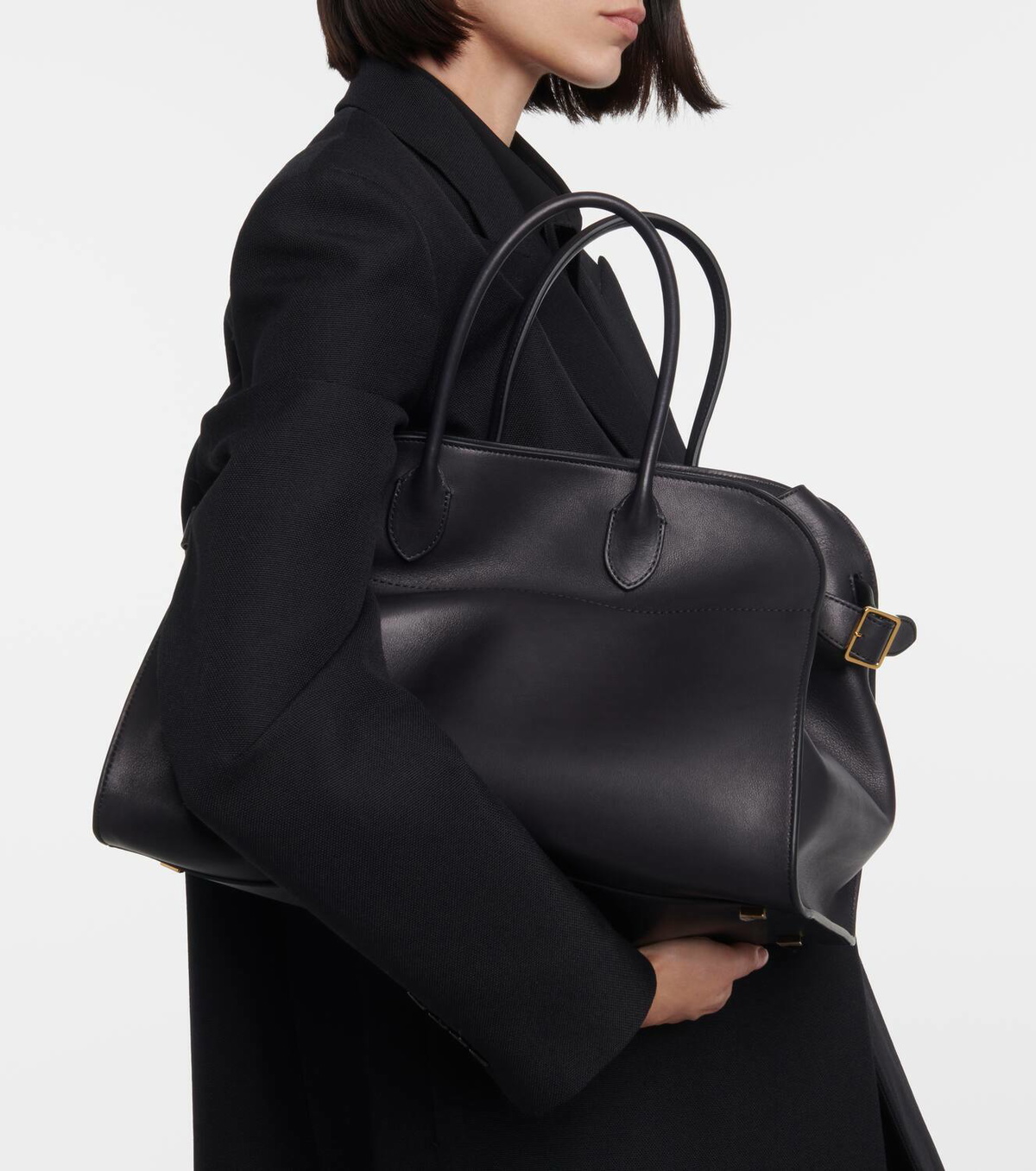
Should you be comparing several tote listings, note that hues ought to be uniform across seasons for core styles, so dramatically mismatched tones in the same listed colorway can indicate either substandard imagery or a batch of dye from an unauthorized manufacturer.
In sum, totes are one of the more accessible entry points into the brand’s handbags, and mastering this build-quality check builds know-how you’ll use across every other style.
Pricing Side-by-Side Look Covering Fan-Favorite Designs
Understanding typical retail pricing helps you spot inflated resale listings and outright scams before you get too invested in a purchase. The table below reflects general 2026 retail positioning across some of the brand’s best-known bag categories, useful as a reference point when browsing row sale listings or secondhand platforms.
| Handbag Type | Rough Retail Bracket | Condition Pointers When Reselling |
|---|---|---|
| Margaux (available in various sizes) | $3,000–$5,500 | Strongly sought-after; check flap stitching and hardware weight |
| The Row’s Tote Bag | $1,800–$3,200 | Inspect base wear and handle attachment points |
| Mini or Compact-Sized Handbags | $2,200–$3,800 | Confirm interior lining material and proportion accuracy |
| Top-Handle Structured Bags | $2,800–$4,500 | Check how symmetrical the seams are as well as the consistency of the edge paint |
Such price brackets vary depending on the leather type, hardware finish, and limited-edition releases, so think of them as a general framework rather than a fixed price list. A bag priced dramatically below these ranges, especially in «new with tags» condition, deserves extra scrutiny regardless of how convincing the photos look.
Paperwork and Seller Credibility
Beyond the physical bag, paperwork and seller history offer another layer of verification that’s easy to overlook. The Row doesn’t include as much branded packaging as some luxury houses, but purchases from authorized retailers typically come with a dust bag, a receipt, and sometimes a card noting the leather type or care instructions. If buying from an individual, always ask for the purchase documentation, and treat with suspicion claims that documentation was lost for a recently purchased bag. Check seller reviews and transaction history on resale platforms, since established sellers with verified feedback are statistically far less likely to be moving counterfeit stock. Sellers reselling stock photography often use suspiciously polished photos which reappear on multiple different listings — a reverse photo check can catch this tactic. If a platform offers third-party authentication as an add-on service, use it — the small fee is worth avoiding a five-figure mistake. Ultimately, the combination of physical inspection and paper trail verification is what separates confident buyers from those who get burned.
Final Thoughts for Buyers
A slower, careful approach is rewarded when buying the row items, particularly handbags — pause before hitting «buy.» The best row bags hold their value precisely because the brand maintains tight production standards, which means counterfeiters are constantly trying to catch up to details they can’t fully replicate. Whether you’re chasing a specific Margaux colorway or simply want a dependable tote for daily use, the same fundamentals apply: look closely at the leather, review the stitching, weigh the hardware, and vet the seller. Rather than any visible branding, top row bags are identified by countless small, consistent choices made throughout their construction. Buyers who take fifteen extra minutes to compare stitch density, seam symmetry, and interior lining save themselves from costly mistakes down the line. With counterfeit quality improving every year, being that diligent is no longer a choice — it’s simply part of buying well in 2026.
Deja una respuesta