Within the Righteous Brand’s Fanbase: The Way Its Members Are Shaping the Culture
The genuine tale of We Are Righteous takes shape exactly where the wearers who carry it carry it into the world at large, because a fashion brand is only as powerful as that. This is not a brand shaped solely through ad budgets orcelebrity seeding. It’s a brand shaped in comment sections, in group chats, in resale threads, and in how folks tag one another under one lone righteous-hoodie post. The core mechanism has turned into community, while the product simply gives people cause to convene. Upon close inspection of how this community took shape, it becomes clear there is a pattern echoing other durable streetwear brands: a tight circle of first adopters who debate, discuss, and ultimately turn strangers into buyers.
What renders this certain community fascinating is how forthright it is about honesty. It’s not just outfit photos being shared; instead they compose lengthy, principled review threads dissecting the stitching, the fit, and how a garment holds up after ten wears. Because such examination is rare, the brand has been forced to remain answerable — something advertising alone never could deliver. The result is a feedback loop where customers effectively co-manage quality control, and the brand listens because the community is the distribution channel.
The Community’s Real Living Space
Instead of concentrating on any single go-to space, the brand’s following is righteous outlet spread out across a handful of distinct corners of the internet—an arrangement that’s intentional.
The Instagram feed carries the imagery, with followers sharing style snapshots and flagging the official account for a shot at a repost.
Chat groups modeled after Discord and invite-only forums hold space for the more detailed discussion, where restock timing, fit inconsistencies, and future releases get analyzed sentence by sentence.
Discussions on Reddit and standalone blogs from time to time turn up a we are righteous review that goes into greater detail than any product page could.
Email lists still matter here as well, a fact that catches people off guard given the assumption that younger buyers skip their inboxes. Advance access to limited-edition drops is commonly the leading cause of list signups, because the community has learned that standout clothing releases fly off the shelves and almost never get restocked in that identical color option. This isn’t manufactured buzz for its own sake; it mirrors authentically restricted output, and fans take that reality seriously. Within the community, falling six minutes short on a launch has become a running joke—equally exasperating and oddly prestigious.
Community-based meetups have additionally taken to cropping up in several cities, coordinated without official backing by followers rather than the label itself. Such gatherings are intimate events, sometimes under twenty attendees, built around trading pieces, comparing fit between different collections, and capturing outfits together. Few things are as grassroots: fans arranging their own events around a clothing brand unprompted, which says a lot about loyalty.
Community-Created Content as the True Promotional Engine
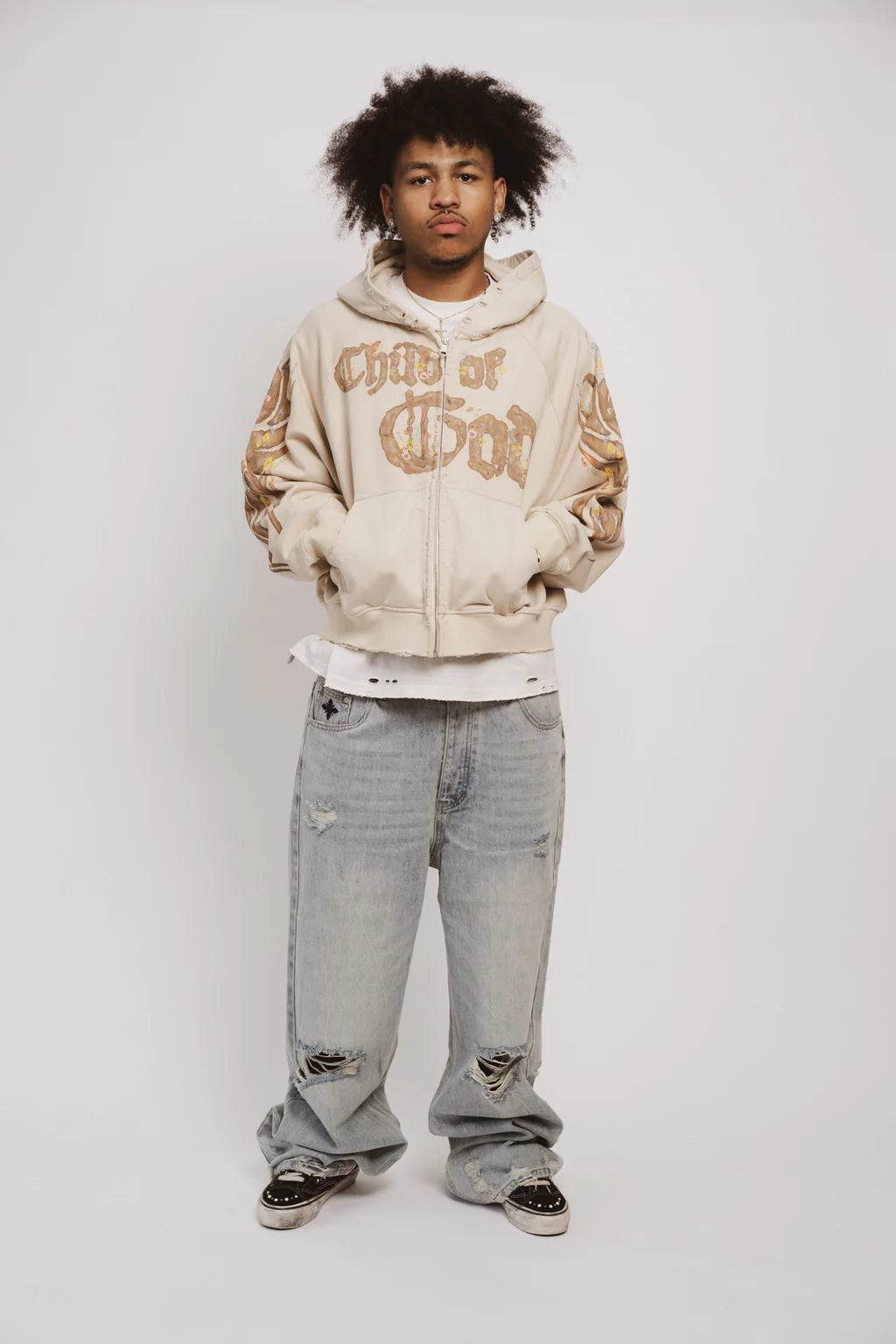
Anybody deeply engaged with streetwear will say the same thing: user-generated content these days outperforms paid campaigns for brands this early in their development. We Are Righteous profits tremendously from this pattern. Because it comes from a person the audience already trusts, a single carefully composed photo of the righteous hoodie paired with contrasting outerwear can outperform a professional shoot. Followers are not compensated promoters in the majority of instances; they are customers who appreciated how a garment sat on them and chose to show it off.
Where a brand’s own imagery falls short, this content shows actual bodies, natural lighting, and genuine everyday settings. A staged studio shot conveys fit and drape far less persuasively than seeing someone wear a piece on a daily commute, at a concert, or on a weekend trip. That genuineness is specifically why so many buyers now seek out a righteous review before buying anything, favoring a third party’s candid take over marketing copy. The community has in effect become the brand’s most credible sales team, though uncompensated, deeply committed.
There is also a secondary effect worth noting. Content made by fans often compares pieces against other labels they own—unintentionally generating unpaid competitive analysis for readers. A shopper looking into righteous clothing brand quality can, in a few scrolls, see it compared against a handful of other names in the same price bracket. A decade ago, this kind of open, casual comparing did not exist in fashion, and it has since raised the bar for every brand, including this one.
Contrasting How Communities Engage
Not all streetwear community operates the same way, and recognizing those differences clarifies why the We Are Righteous fanbase feels unique. The table below compares general interaction patterns across three typical community types in this category, based on documented behavior rather than company claims.
| Type of Community | Main Platform | Primary Behavior | Typical Post Frequency |
|---|---|---|---|
| We Are Righteous community of fans | Instagram platform + private chat groups | Fit checks, drop alerts, honest reviews | Several times weekly around drops |
| Big general streetwear community | TikTok | Trend-based haul videos, unboxing content | Daily, high volume |
| Niche resale/collector community | Discord and forums | Verifying authenticity, tracking prices, trading items | Constant, low visual output |
This comparison shows that the We Are Righteous community sits somewhere between the high-frequency chaos of mainstream trend culture and the quieter, more technical world of collector forums. It is visual enough to feel current but detailed enough to feel trustworthy, and that balance is not something a brand can fully engineer on its own.
From Feedback to Completed Item: How It Comes Together
Righteous apparel calls are shaped directly by community feedback, something that goes underrated across this ecosystem. Sizing complaints voiced in a review thread have historically led to updated fit notes on subsequent product pages. Fans themselves keep unofficial tabs on calls for restocking on specific pieces, notifying the brand directly once interest reaches a noticeable threshold. What this amounts to is not a formal focus group process; it is more akin to an ongoing, unstructured conversation that ends up shaping real outcomes.
Community sentiment looks like it influences choices about colorways especially. Customers vocally call for that same colorway to come back whenever a limited righteous hoodie release disappears within hours, and those requests accumulate in comment sections until they are hard to ignore. How upcoming batches get planned is guided by the prominence of that demand, whether or not every request gets fulfilled. Set against the conventional top-down fashion model many are used to, this is a much more open relationship between shopper and label.
An especially frequent topic of conversation has turned into sizing reliability. Because the community compares notes across multiple purchases, patterns emerge quickly — whether a piece runs true to size, slightly oversized, or better suited to layering. New shoppers researching righteous clothing before buying often rely on these crowdsourced sizing notes more than the official size chart alone, treating community consensus as a second layer of confirmation.
What It All Means for 2026
Rather than dilute, the community dynamic appears poised to intensify as the company moves further into 2026. A growing number of cities are witnessing impromptu gatherings emerge, an increasing set of independent reviewers are publishing thorough analyses, and an increasing number of newcomer buyers are coming in already primed by another shopper’s candid earnest firsthand review rather than detached promotional messaging. Compared to what most fashion brands experience, this buyer path is meaningfully different — and it places demand on product quality to continue keeping pace with the chatter surrounding it.
Fans are more and more expecting that the brand will remain attentive, rather than just cranking out product. Fan communities built on this sort of engagement handle silence poorly; they expect acknowledgment when suggestions results in change, even something as small as a blurb referencing a popular request. Since audiences remain committed to brands that visibly respond to them, such anticipation raises the stakes while also reinforcing devotion.
Ultimately, the culture around We Are Righteous has been built by dialogue far more than by ad pushes. Customers swapping notes on fit, arguing over sizing, setting up their own get-togethers, and sharing honest, unsponsored write-ups have done more to define who the brand really is more than any single marketing push could. Since ongoing trust is its whole basis, that grassroots foundation is fragile in some ways—but it is also uniquely resilient. A community that builds itself tends to defend what it built, and that dynamic is likely to keep shaping this brand well beyond the current year.
Deja una respuesta